
Why Am I Always Anxious? CBT vs EMDR Therapy Explained for Long-Term Anxiety Relief

Updated: Jun 30

Feeling anxious all the time can mean your mind and body are staying in stress mode for too long. When anxiety starts affecting sleep, focus, relationships, or daily life, it is a sign that support may be needed. CBT and EMDR are two therapy options that can fit different causes of anxiety, especially when the problem is linked to constant worry, stress, or trauma.
Why Some People Feel Constant Anxiety Every Day
● Anxiety can become a daily problem when worry does not settle down.
● Stress and burnout can keep the body tense and the mind restless.
● Overthinking can make small problems feel much bigger.
● Past trauma can keep strong emotions active long after the event is over.
● Some people seem fine on the outside but feel nervous and overwhelmed inside.
Overthinking and racing thoughts
● The mind keeps jumping from one worry to another.
● It may feel hard to relax, even in safe situations.
● Every choice can start to feel risky or stressful.
Stress and burnout
● Long periods of pressure can drain energy.
● Rest may not feel refreshing.
● Anxiety can feel stronger when the body never fully calms down.
Unresolved trauma
● Old pain can affect present reactions.
● Certain reminders can bring back strong feelings fast.
● A memory may still feel very raw, even years later.
High-functioning anxiety
● Daily tasks still get done, but with a lot of inner tension.
● The person may appear strong while feeling exhausted inside.
● Slowing down may feel uncomfortable or unfamiliar.
Signs Anxiety May Be Affecting Your Mental Health
● Trouble falling asleep or staying asleep
● Waking up tense or tired
● Panic attacks or sudden fear
● Fast heartbeat, chest tightness, or shortness of breath
● Headaches, stomach issues, muscle tension, or restlessness
● Avoiding people, places, or tasks that feel stressful
● Constant worry that affects work, relationships, or daily routines
When anxiety deserves more attention
● Worry keeps coming back again and again.
● Stress starts changing mood and decisions.
● Normal tasks feel harder than they should.
● Physical tension becomes part of everyday life.
What Is CBT Therapy for Anxiety?
CBT, or cognitive behavioral therapy, is a structured form of psychotherapy that focuses on the connection between thoughts, emotions, and behaviors. It is commonly used for anxiety, PTSD, depression, and related concerns. CBT helps individuals recognize unhelpful thinking patterns and develop healthier ways of responding to challenges through a goal-oriented and practical approach.
How CBT changes thought patterns
● It helps identify thoughts that are too extreme or unbalanced.
● It challenges beliefs that keep anxiety active.
● It teaches the mind to respond in a calmer, more realistic way.
Common CBT techniques
● Tracking thoughts
● Reframing negative thinking
● Learning relaxation skills
● Slowly facing avoided situations
● Practicing small exercises between sessions
Who benefits most from CBT
● People who overthink often
● People who avoid things because of fear
● People who like structure and clear steps
● People whose anxiety comes from current habits and patterns
What Is EMDR Therapy and How Does It Work?
EMDR, or Eye Movement Desensitization and Reprocessing, is a trauma-focused psychotherapy commonly used for PTSD and trauma-related distress. During EMDR, individuals recall difficult memories while following guided bilateral stimulation, such as eye movements or sounds. The goal is to reduce the emotional intensity connected to those memories and support healthier emotional processing.
EMDR and emotional processing
● EMDR focuses on the memory, not only the current reaction.
● It helps the brain process experiences that still feel unfinished.
● It may include coping skills and support before and after memory work.
How EMDR helps anxiety and PTSD
● It may reduce distress when anxiety is linked to past events.
● It can lessen strong reactions to reminders or triggers.
● It may feel useful when old experiences still affect the present.
Scientific research behind EMDR
● EMDR is one of the most studied treatments for PTSD.
● It is widely recognized as an evidence-based approach.
● Some people notice improvement after only a few sessions.
CBT vs EMDR: Which Therapy Is Better for Anxiety?
Factor | CBT | EMDR |
Best for | Anxiety, overthinking, and habits of fear | Trauma-linked anxiety and PTSD symptoms |
Approach | Changes thought patterns and behavior | Reprocesses distressing memories |
Focus | Present-day thoughts and actions | Past experiences that still hurt |
Session style | Structured and goal-focused | Guided and trauma-informed |
Long-term value | Strong for daily anxiety patterns | Strong for memory-based distress |
The No. 1 Mental Health Service in the Area
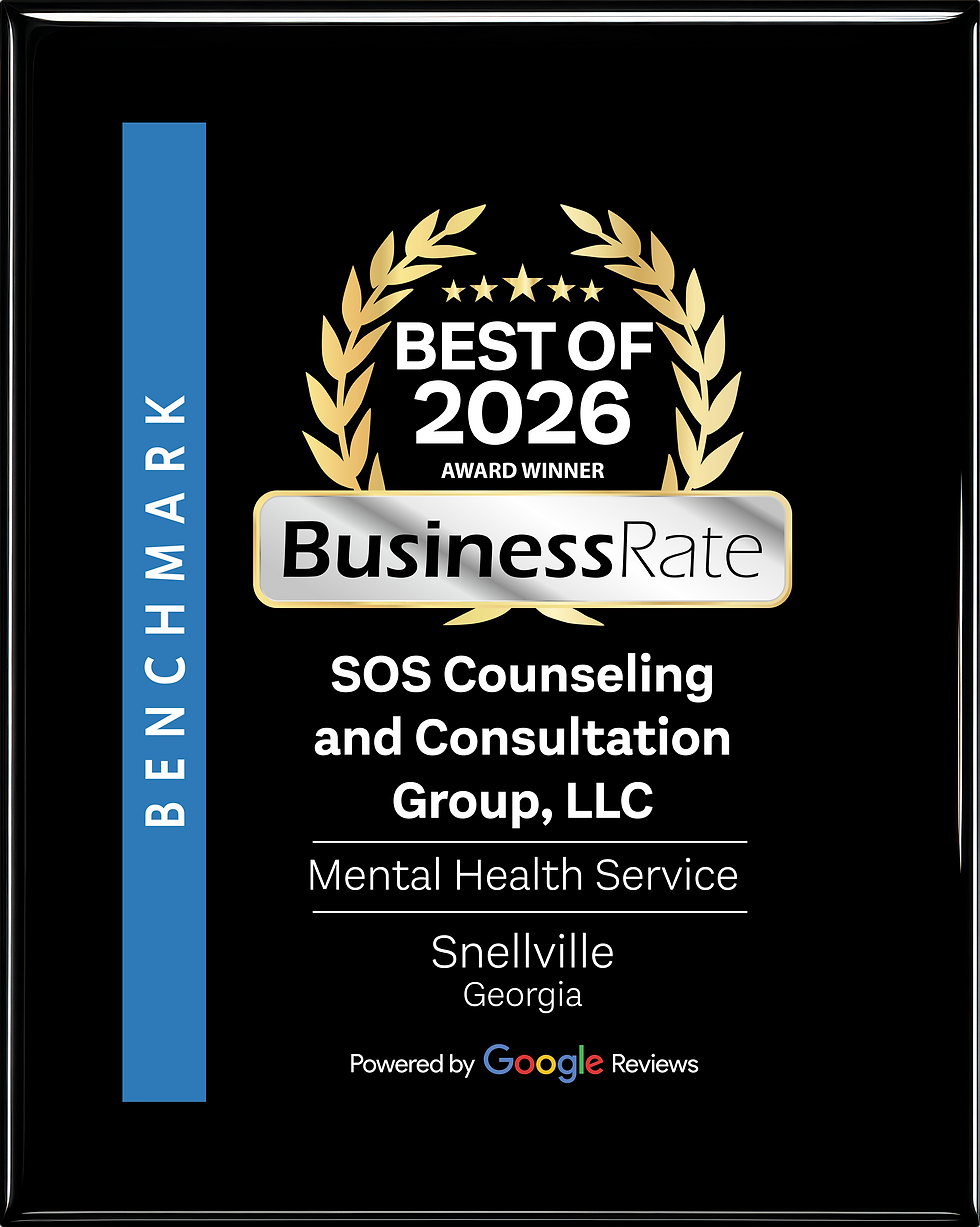
SOS Counseling & Consultation Group, LLC was recognized as a BusinessRate Best of 2026 Award Winner for Mental Health Services in Snellville, Georgia. This recognition reflects the trust of the local community and the practice's commitment to providing exceptional mental health care.
As one of the area's leading providers, the team offers evidence-based therapies such as CBT and EMDR to help individuals overcome anxiety, trauma, depression, and stress while working toward long-term emotional wellness.
How Therapy Improves Emotional and Physical Health
● Therapy can lower stress and tension.
● It can build better coping skills.
● It can improve emotional control.
● It can support better relationships.
● It can also help the body feel less tense over time.
Changes many people notice
● Less constant worry
● Better sleep
● More focus
● Fewer stress spirals
● A steadier mood
How to Choose the Right Therapist in Georgia or New York
● Look for a licensed professional with anxiety or trauma experience.
● Ask whether they use CBT, EMDR, or both.
● Find out what happens in the first session.
● Choose someone who understands whether your anxiety is thought-based, trauma-based, or both.
● Virtual care may also be a good option for some people.
Questions to ask before starting
● What kind of anxiety cases do you see most often?
● Do you use CBT, EMDR, or both?
● How do you decide which treatment fits best?
● What happens during the first assessment?
● How do you measure progress?
Which Anxiety Therapy Is Right for You?
Anxiety does not look the same for everyone. The right therapy depends on what is causing the symptoms and how they show up in daily life. Whether anxiety is tied to worry, old pain, or both, a clear assessment can point to the next step. The team at SOS Counseling & Consultation Group, LLC can help guide that process and support a path toward greater calm and emotional well-being.
FAQs
Q1: What therapy works best for anxiety and overthinking?
CBT is often the stronger match for anxiety and overthinking because it focuses on thought patterns, coping skills, and behavior change. It gives structure and clear steps for breaking the cycle of constant worry.
Q2: Is EMDR better than CBT for trauma?
EMDR is often a strong choice for trauma because it focuses on processing distressing memories that still trigger emotional reactions. CBT can also support trauma-related anxiety, but EMDR is more directly centered on memory reprocessing.
Q3: How do I know if I need therapy for anxiety?
Therapy may be a good step when worry is hard to control, happens often, affects sleep or focus, or begins interfering with work, relationships, or routine tasks. Persistent anxiety that changes daily life deserves attention.
Q4: Can therapy help physical symptoms of anxiety?
Yes. Anxiety can show up as muscle tension, headaches, restlessness, stomach discomfort, or sleep trouble. Therapy may reduce those symptoms by lowering stress reactivity and improving emotional regulation over time.
Q5: How long does anxiety therapy take to work?
The timeline depends on the cause, severity, and consistency of care. CBT is often short-term and structured, while EMDR is commonly described in weekly sessions over about three months, with some people noticing improvement earlier.
Q6: What is the difference between CBT and talk therapy?
CBT is a specific form of psychotherapy that is structured and goal-focused. Talk therapy is a broader term for therapy that uses conversation, and it may be less directive depending on the clinician’s approach.
Q7: Is online anxiety therapy effective?
Online therapy can be effective when it is delivered by a licensed professional and matched to the person’s needs. CBT in particular is often adaptable to remote sessions, which can make regular care more accessible.
Q8: Can untreated anxiety become worse over time?
Yes. NIMH notes that anxiety disorders do not go away on their own for many people, can show up in many situations, and may get worse over time. Untreated anxiety can also interfere with daily functioning and relationships.


Comments